
Beyond the Buzz: Unpacking the Aromatic Magic of Sour Diesel Terpenes
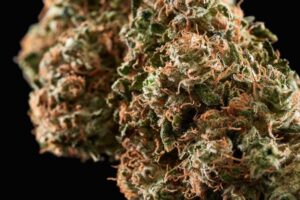
Ever wondered what gives Sour Diesel its legendary kick and unforgettable scent? Let’s dive into the world of its terpenes.
If you’ve ever encountered Sour Diesel, that pungent, fuel-like aroma is probably the first thing you remember—it’s a scent that doesn’t just whisper, it announces its presence. But what if I told you there’s a complex symphony of natural compounds behind that iconic fragrance and the equally famous energizing effects? We’re talking about terpenes, the aromatic molecules that are, in many ways, the unsung heroes of the cannabis world. Today, we’re going on an aromatic journey to explore the specific terpenes that make Sour Diesel, well, Sour Diesel. Prepare to have your appreciation for this classic strain deepened!
Highlights: The Essence of Sour Diesel’s Terpene Power
- The Aromatic Architects: You’ll discover how a specific trio of terpenes—Caryophyllene, Myrcene, and Limonene—are the primary conductors of Sour Diesel’s distinctively pungent, diesel-meets-citrus aroma that has captivated enthusiasts for decades.
- Synergy in Sensation (The Entourage Effect): We’ll explore how these aromatic compounds don’t just work alone but interact synergistically with cannabinoids like THC, modulating and enhancing Sour Diesel’s renowned energizing, mood-lifting, and cerebrally stimulating experience.
- More Than Just a Pretty Smell: Prepare to learn about the fascinating potential benefits linked to Sour Diesel’s dominant terpenes, ranging from stress alleviation and anti-inflammatory properties to a notable boost in focus and creativity.
The Olfactory Knockout: Defining Sour Diesel’s Signature Scent
Imagine cracking open a container of Sour Diesel. That first wave of scent is an experience in itself—a bold, sharp, and almost aggressive aroma that’s often described as a mix of diesel fuel, lemon zest, and a subtle earthy, sometimes even skunky, undertone. It’s a complex bouquet that’s instantly recognizable. This isn’t just a random smell; it’s the direct result of its unique terpene profile. Terpenes, in essence, are the aromatic oils secreted by the cannabis plant (and many other plants, like pine trees and citrus fruits) that give each strain its characteristic scent and flavor.
For Sour Diesel, this olfactory fingerprint is legendary. It’s not an exaggeration to say that its aroma is one of the main reasons it has remained a top-shelf favorite since it first emerged in the early 1990s. Some users even report notes of fresh tennis balls or industrial solvents – strange as it sounds, it captures the unique “chemical” sharpness that these terpenes produce in combination.
Meet the Maestros: The Key Terpenes in Sour Diesel’s Orchestra
While cannabis strains contain a multitude of terpenes, Sour Diesel’s character is largely shaped by a dominant few. Think of them as the lead instruments in an orchestra, each contributing its unique notes to the overall composition. Let’s meet the stars of the show:
Caryophyllene: The Spicy Conductor
Aroma and Presence
Often the most abundant terpene in Sour Diesel, Beta-Caryophyllene (or simply Caryophyllene) brings a distinctively spicy, peppery, and sometimes woody note to the profile. It’s the terpene also found in black pepper, cloves, and cinnamon. This contributes to that “scratchy” or “savory” sensation some experience on the exhale.
Beyond the Scent
What’s particularly fascinating about Caryophyllene is its unique ability to interact directly with the CB2 receptors in our body’s endocannabinoid system, much like cannabinoids do. This interaction is thought to contribute to its potential anti-inflammatory and analgesic (pain-relieving) properties. Many users find that Caryophyllene adds a soothing touch that can help balance the otherwise intensely cerebral effects of Sour Diesel, potentially easing anxiety and stress.
Myrcene: The Earthy Modulator
Aroma and Presence
Myrcene is one of the most common terpenes found in cannabis overall, and it plays a crucial role in Sour Diesel too. It typically imparts an earthy, musky, herbal, and sometimes slightly fruity aroma—think mangoes, hops, or lemongrass, which are also rich in Myrcene. In Sour Diesel, it provides a grounding counterpoint to the sharper notes.
Beyond the Scent
Myrcene is well-known for its potentially relaxing and sedative effects, especially in higher concentrations. It’s often associated with the “couch-lock” phenomenon in more Indica-dominant strains. However, in a Sativa-dominant hybrid like Sour Diesel, Myrcene’s presence is more nuanced. It’s believed to enhance the effects of THC and other cannabinoids (part of the entourage effect we’ll discuss soon) and can contribute to muscle relaxation and stress relief without necessarily inducing heavy sedation. It helps temper the “racy” edge some Sativas can have, promoting a more focused yet calm energy.
Limonene: The Zesty Energizer
Aroma and Presence
As its name suggests, Limonene is bursting with bright, fresh citrus aromas—think lemon and orange rinds. This terpene is responsible for the sharp, tangy, and uplifting “sour” aspect of Sour Diesel’s name. It cuts through the heavier diesel and earthy notes, adding a refreshing zest.
Beyond the Scent
Limonene is widely associated with mood elevation, stress reduction, and an overall sense of well-being. It’s often described as energizing and focus-enhancing, which aligns perfectly with Sour Diesel’s reputation for sparking creativity and providing a mental pick-me-up. Research suggests Limonene may have anti-anxiety and anti-depressant properties, making it a key player in Sour Diesel’s uplifting effects. That grin that creeps onto your face? You might have Limonene to thank for that!
Supporting Terpenes
While Caryophyllene, Myrcene, and Limonene are the headliners, other terpenes like Pinene (offering fresh pine notes and potential respiratory benefits) and occasionally Camphene (with earthy, fir needle scents and anti-inflammatory possibilities) can also be present, adding further complexity to Sour Diesel’s profile and effects.
Visualizing the Symphony: Sour Diesel’s Terpene Interplay
To better understand how these aromatic compounds contribute to the overall Sour Diesel experience, let’s visualize their key characteristics and relationships. The following mindmap outlines the primary terpenes found in Sour Diesel, their distinct aromas, and the effects they’re commonly associated with. It also highlights the concept of the entourage effect, where these terpenes work in concert to produce the strain’s signature qualities.
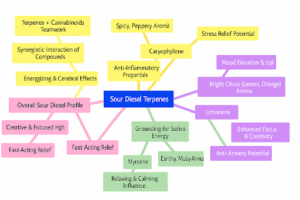
This interplay is crucial. It’s not just one terpene doing all the work; it’s their combined presence and ratios that define Sour Diesel’s unique character.
The Entourage Effect: Why Terpenes and Cannabinoids are Better Together
You’ve heard us mention the “entourage effect,” and it’s a pivotal concept when talking about terpenes. The idea, in essence, is that cannabis compounds—including cannabinoids like THC and CBD, as well as terpenes—work better together than they do in isolation. Think of it as a botanical orchestra where each instrument plays a vital role in the overall symphony. The terpenes in Sour Diesel don’t just provide aroma; they actively modulate and enhance how THC interacts with your body.
For instance, Myrcene might help THC cross the blood-brain barrier more effectively, potentially leading to a quicker onset and more potent effects. Limonene and Caryophyllene might temper some of the anxiety that high doses of THC can sometimes induce, steering the experience towards a more euphoric and focused state. This synergy is what makes Sour Diesel deliver its signature fast-acting, dreamy, yet energizing cerebral high. It’s the reason why many users report feeling uplifted, creative, and mentally clear, rather than just “high.” This intricate dance of molecules is what elevates a strain from simply being psychoactive to being a nuanced experience.

This chart illustrates how different terpenes contribute to a spectrum of effects, underlying the entourage effect principle.
Profiling the Power: Sour Diesel’s Terpene-Driven Effects
The radar chart below offers a visual representation of the commonly reported effects associated with Sour Diesel’s terpene profile, compared to a general profile for typical Sativa strains. This isn’t exact science, as individual experiences can vary, but it reflects the general consensus on how Sour Diesel’s terpenes—primarily Caryophyllene, Myrcene, and Limonene—contribute to its characteristic impact. Notice how Sour Diesel often scores high in mood elevation and creative spark, balanced by a decent level of stress relief, showcasing the nuanced effects driven by its terpenes.
As you can see, while sharing some typical Sativa traits like energy, Sour Diesel often distinguishes itself with a more pronounced impact on mood and creativity, likely due to its specific terpene blend, particularly the influence of Limonene and Caryophyllene working in tandem.
Sour Diesel’s Aromatic Architects: A Quick Reference Table
To give you a handy overview, here’s a table summarizing the key terpenes in Sour Diesel, their typical aromas, and the primary effects or benefits often associated with them. Remember, the magic lies in their combination!
| Terpene | Typical Aroma Profile | Commonly Reported Effects & Potential Benefits |
| Caryophyllene (Beta-Caryophyllene) | Peppery, spicy, woody, cloves | Stress relief, anti-inflammatory, analgesic (pain relief), potential anxiety reduction, unique interaction with CB2 receptors. |
| Myrcene | Earthy, musky, herbal, slightly fruity (like mangoes or hops) | Relaxation, sedative qualities (especially in higher doses), enhances THC effects, anti-inflammatory, muscle relaxant. |
| Limonene | Strong citrus (lemon, orange, grapefruit) | Mood elevation, stress relief, anti-anxiety, energizing, improved focus and alertness, potential anti-depressant qualities. |
| Pinene (Alpha- & Beta-Pinene) | Sharp pine, fresh forest, woody | Alertness, memory retention, anti-inflammatory, bronchodilator (may aid respiratory function), counteracts some THC-induced haziness. |
| Camphene | Earthy, piney, fir needles, damp wood | Antioxidant, anti-inflammatory, potential cholesterol-lowering effects (research ongoing). |
This table serves as a great quick guide, but it’s always fascinating to remember that these compounds work synergistically, creating an experience greater than the sum of its parts.
From Plant to Product: Why Terpene Integrity is King
Understanding Sour Diesel’s terpenes is one thing, but experiencing them authentically is another. Whether you’re enjoying flower, vapes, edibles, or concentrates, the integrity of the terpene profile is paramount. Terpenes are volatile compounds, meaning they can degrade or be lost if not handled and processed correctly.
Here’s why quality matters:
- Authentic Experience: A well-preserved terpene profile ensures you get the true Sour Diesel aroma and nuanced effects. Improper extraction or storage can strip away these delicate compounds.
- Cleanliness: Look for products made using clean extraction methods, such as solvent-free blends. Some brands utilize ISO-class cleanroom manufacturing to ensure purity, preventing contaminants that could alter the effects or taste.
- Lab Testing: Reputable products will often come with lab reports (Certificates of Analysis) detailing the terpene profile. This confirms the presence and relative abundance of key terpenes like Caryophyllene, Limonene, and Myrcene.
- Proper Storage: To maintain terpene integrity at home, store your Sour Diesel products in a cool, dark, and airtight container. Exposure to heat, light, and air can degrade terpenes rapidly.
When brands prioritize terpene preservation, they’re not just selling a product; they’re offering an experience true to the plant’s natural chemistry. For example, some edibles, like certain gummies, are crafted to pair Sour Diesel’s natural terpenes with THC for a more holistic and targeted effect, layering the familiar diesel and citrus notes into the taste and experience.